
Introduction
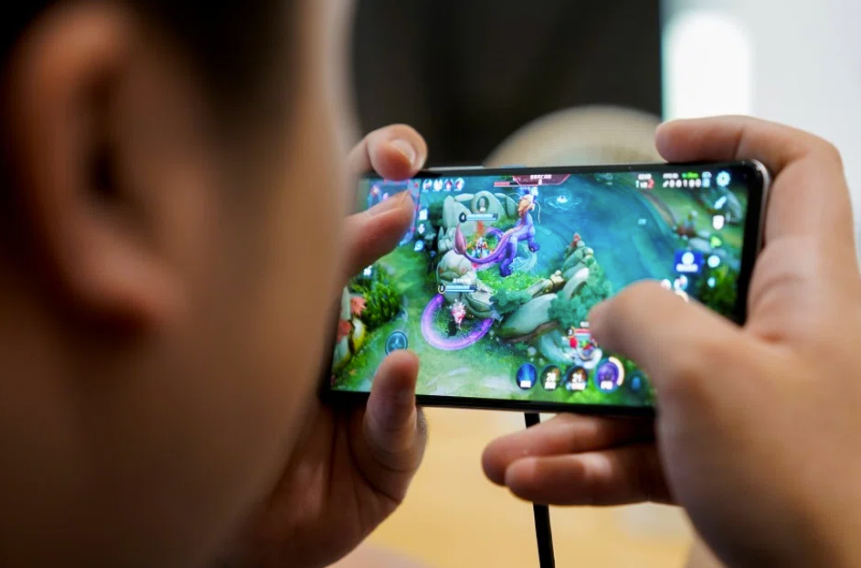
The gaming industry has experienced remarkable changes over the past decade. What once started as simple entertainment on basic electronic devices has developed into a global digital industry supported by advanced software, powerful processors, artificial intelligence, and high-speed internet connections. Mobile gaming has become one of the most important parts of this transformation because smartphones allow people to enjoy interactive experiences almost anywhere.
Modern games are no longer focused only on graphics and basic controls. Developers now concentrate on performance, accessibility, multiplayer communication, personalized features, and smooth user experiences. Popular mobile titles such as Mobile Legends demonstrate how technology can bring millions of players together through competitive gameplay and real-time communication.
Within this growing environment, Top Up Diamond Mobile Legends has become a frequently discussed topic among players who want to understand the digital purchasing systems and virtual currency features connected with mobile gaming. Exploring this subject also provides an opportunity to understand how payment technology, mobile applications, and game development work together.
Understanding the Technology Behind Mobile Gaming
Mobile gaming depends on several technological systems working together. A modern smartphone combines hardware and software to deliver interactive entertainment through a compact device.
Processors handle calculations, graphics processors generate visual elements, and operating systems manage applications and device resources. Internet connectivity allows users to communicate with remote servers and participate in multiplayer activities.
Several technologies contribute to the overall experience:
- Mobile Processors: Handle complex calculations and support application performance.
- Graphics Processing Units: Generate animations, visual effects, and detailed environments.
- Cloud Infrastructure: Supports online services and communication between connected devices.
- Game Development Engines: Provide tools for creating characters, environments, and interactive features.
- Network Technology: Helps maintain communication between players and game servers.
These technologies work together to create responsive experiences. Improvements in smartphone hardware have also made it possible for developers to introduce more detailed environments without requiring dedicated gaming computers.
See also: How Digital Identification Technology Works
Mobile Legends and the Development of Multiplayer Technology
Mobile Legends: Bang Bang is an example of how mobile technology has influenced modern entertainment. Its multiplayer environment requires different systems to operate simultaneously, including player communication, character animation, server synchronization, and real-time data processing.
A smooth multiplayer experience depends heavily on network stability. When a player performs an action, the device must communicate with the game server, process the relevant information, and update the environment.
This process requires efficient software architecture and reliable infrastructure.
Developers continuously work on improving server performance, reducing latency, and optimizing applications for different smartphone specifications.
Another important aspect is compatibility. Players use devices with different processors, screen sizes, memory capacities, and operating systems. Developers must consider these differences to make the experience accessible to a wider audience.
Understanding Top Up Diamond Mobile Legends
Virtual currencies have become an important feature of many modern mobile applications. They provide a digital system through which users can access selected customization options and additional in-game features.
In Mobile Legends, diamonds function as a virtual currency. Players may use them for eligible digital content, depending on the features currently available within the game.
The process of Top Up Diamond Mobile Legends demonstrates how digital payment technology connects external payment systems with mobile applications.
A typical digital purchase involves several steps:
- A user selects an available virtual currency package.
- The payment platform displays the applicable price and payment methods.
- The user completes the payment through an authorized payment channel.
- The transaction is verified by the relevant payment system.
- The purchased digital currency is delivered to the appropriate game account.
Behind this relatively simple process, several technical systems operate together. Payment gateways communicate with financial institutions, transaction management systems verify payment details, and application servers update the user’s digital balance.
This integration makes digital purchasing more convenient while requiring careful attention to security and transaction accuracy.
How Digital Payment Technology Supports Gaming
Digital payment systems have become an essential part of the modern gaming ecosystem. They allow users to purchase digital content without relying on traditional physical stores.
Payment gateways act as communication channels between customers, merchants, and financial institutions. They process transaction information and help verify whether a payment has been completed successfully.
Several payment technologies support this process.
Secure Encryption: Encryption protects sensitive information during digital transactions.
Payment Authentication: Verification systems help confirm that a transaction has been authorized by the account holder.
Transaction Monitoring: Automated systems identify unusual activities and help reduce unauthorized transactions.
Digital Receipts: Electronic records allow users to review their purchase history and confirm payment details.
When choosing a service for Top Up Diamond Mobile Legends, users should prioritize authorized payment channels, transparent pricing, and clear delivery information. They should also avoid sharing passwords, verification codes, or other sensitive account details with unknown providers.
The Role of Artificial Intelligence in Mobile Games
Artificial intelligence has introduced several improvements to game development. Developers use intelligent systems to improve character behavior, analyze performance, identify technical problems, and create more responsive environments.
In multiplayer games, AI can help manage computer-controlled characters and support automated testing.
For example, development teams can use AI-powered testing tools to simulate different user actions. These systems may identify unexpected errors, performance problems, or interface issues before an application update is released.
AI can also support customer service through automated assistance systems. These tools can answer common questions about account access, technical issues, and application features.
As artificial intelligence becomes more advanced, it will likely play an even greater role in creating personalized and accessible gaming experiences.
Graphics Technology and Visual Performance
Visual presentation has become an important part of modern mobile game development. Players expect detailed characters, attractive environments, smooth animations, and responsive visual effects.
Achieving these results requires efficient graphics technology.
Modern smartphones use dedicated graphics processors to render complex visual scenes. These processors work alongside the central processing unit to manage different aspects of application performance.
Developers also use optimization techniques to maintain a balance between visual quality and device resources.
Some important techniques include:
- Texture compression to reduce memory requirements.
- Frame-rate optimization for smoother animations.
- Efficient lighting systems for improved visual quality.
- Asset management to reduce unnecessary loading.
- Resolution scaling to support different screen specifications.
These improvements help games operate across a wider range of devices.
The development of mobile graphics also demonstrates how far smartphone technology has progressed compared with earlier generations.
Cloud Computing and Online Gaming Infrastructure
Cloud computing is another important technology supporting modern digital entertainment. It allows companies to operate online services through remote computing infrastructure instead of depending entirely on individual devices.
Gaming platforms can use cloud systems to manage databases, store selected information, process requests, and support connected services.
One important advantage is scalability. When the number of users increases, cloud infrastructure can provide additional computing resources according to demand.
Cloud technology also supports regular software updates and centralized service management.
However, reliable internet connectivity remains essential. High latency, unstable connections, and server interruptions can negatively affect multiplayer experiences.
Developers therefore need to invest in efficient network infrastructure and monitoring systems to maintain service quality.
Cybersecurity and Safe Digital Transactions
Security is an essential consideration in mobile gaming, particularly when applications involve personal accounts and digital purchases.
Cybersecurity systems help protect users against unauthorized access, fraudulent transactions, and information theft.
Players should follow several basic safety practices when using digital gaming services.
Use Official Sources: Download applications and access account-related services through trusted platforms.
Protect Login Information: Never share passwords or verification codes with unknown individuals.
Check Payment Details: Review the selected package, total price, and payment information before confirming a transaction.
Avoid Suspicious Offers: Be careful with websites that promise unrealistic discounts or request unnecessary personal information.
Enable Account Protection: Use available security features to strengthen account access.
For anyone interested in Top Up Diamond Mobile Legends, these precautions are particularly useful because digital purchases involve account-related information and financial transactions.
Responsible digital behavior helps protect both personal accounts and purchased content.
User Experience and Mobile Application Design
User experience plays a significant role in determining whether a mobile application is comfortable and convenient to use.
Developers must consider how people navigate menus, access settings, understand instructions, and complete different activities.
A well-designed application should provide clear information without unnecessary complexity.
Important user experience principles include simple navigation, readable typography, responsive controls, consistent layouts, and accessible features.
Digital purchasing interfaces also benefit from straightforward designs. Users should be able to understand available packages, payment methods, and transaction conditions before making a purchase.
For example, a reliable Top Up Diamond Mobile Legends experience should clearly communicate the selected package, applicable cost, payment status, and delivery process.
Clear communication reduces confusion and helps users make informed decisions.
Future Trends in Mobile Gaming Technology
The future of mobile gaming will likely involve several technological developments.
5G Connectivity: Faster network infrastructure can support improved communication and more responsive online experiences.
Artificial Intelligence: Advanced AI tools may help developers create intelligent characters, automated support systems, and personalized features.
Augmented Reality: AR technology can introduce digital objects and interactive elements into physical environments.
Cloud-Based Services: Cloud infrastructure may make advanced digital experiences accessible through a wider range of devices.
Improved Mobile Hardware: More powerful processors and graphics systems will support detailed environments and sophisticated applications.
Advanced Payment Integration: Secure digital payment systems will continue improving the way users purchase and manage virtual content.
These developments will influence not only Mobile Legends but also the wider mobile gaming industry.
Conclusion
Game technology has transformed mobile entertainment through improvements in graphics, artificial intelligence, cloud computing, cybersecurity, and digital payment systems. Modern multiplayer applications demonstrate how different technologies can work together to provide interactive experiences across millions of devices.
Understanding Top Up Diamond Mobile Legends also highlights the connection between mobile gaming and digital payment infrastructure. From transaction verification to account security, several technical processes help make virtual purchases possible.
As the industry continues to grow, developers and digital service providers will need to focus on performance, accessibility, security, and user satisfaction. These priorities will help shape the next generation of mobile gaming and create more reliable experiences for players around the world.